





Material theorized as a possible cause of ancient Rome's decline, given its widespread use
Editorially verified for the Oct 17, 2026
47 Down
Scroll down for rest of crossword answers
Clue explainedFact checked
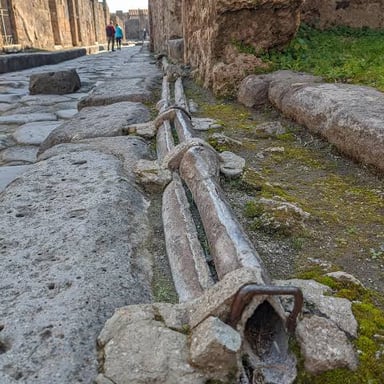
Lead is the metal behind a long-running hypothesis that exposure to it contributed to ancient Rome’s decline. Romans used lead in water pipes, which has prompted questions about how much exposure people experienced. Historians debate how significant lead poisoning was to the empire’s health or political fate, so the clue aptly presents it as a possible cause rather than a settled explanation.
- Clue type:
- Definition
NYT Crossword
This clue's Saturday, October 17, 2026 appearance
Tap a square to reveal a letter.
Or reveal one clue at a time with the Hint and Answer buttons below.
Across
Down
- 46About
The answer to “Material theorized as a possible cause of ancient Rome's decline, given its widespread use” in the New York Times crossword is LEAD — a 4-letter word. It most recently appeared in the New York Times crossword on October 17, 2026, a Saturday puzzle, at 47-Down. Below you'll find why that fill fits, every other answer we've recorded for this clue, and links into the puzzle it came from.
“Material theorized as a possible cause of ancient Rome's decline, given its widespread use” answer
LEAD (4 letters)
Reveal the solution one letter at a time with the tiles above if you'd rather nudge yourself toward it than see the whole word at once. Just want it outright? The answer is LEAD.
What does LEAD mean?
Reading the plain dictionary sense of LEAD is often the fastest way to see why it answers this clue.
(verb)
- cause (a person or animal) to go with one by holding them by the hand, a halter, a rope, etc. while moving forward
- be a route or means of access to a particular place or in a particular direction
- be in charge or command of
When else has “Material theorized as a possible cause of ancient Rome's decline, given its widespread use” appeared?
New York Times reuses clues across dates, sometimes with a different answer depending on the grid. Here's where this exact clue has shown up, and what the answer was each time — handy when you're checking whether today's fill is the only one.
October 17, 2026 (most recent) → LEAD. We haven't indexed another appearance of this exact clue yet.
Frequently asked questions
What is the answer to “Material theorized as a possible cause of ancient Rome's decline, given its widespread use”?
The answer is LEAD, a 4-letter word. It most recently appeared in the New York Times crossword on October 17, 2026.
How many letters is the answer to “Material theorized as a possible cause of ancient Rome's decline, given its widespread use”?
4 letters: LEAD.
When did this clue appear?
Most recently in the New York Times crossword on October 17, 2026 (a Saturday puzzle), at 47-Down.
Can “Material theorized as a possible cause of ancient Rome's decline, given its widespread use” have a different answer?
Yes — New York Times sometimes reuses a clue with a different solution to fit the grid. The answers we've recorded for each date it appeared are listed above when available.
Where can I find the rest of this day's NYT Crossword answers?
The full grid for October 17, 2026 is on the NYT Crossword answers page, with every clue and answer from that puzzle.
New York Times Crossword is published by The New York Times; WordHint is an independent site and is not affiliated with or endorsed by the publisher.
Crossword Clues
Looking up a clue? Jump into today's answers and clue help from top puzzles.
- It has its limits, in brief
- Award-winning culinary documentary series
- Where some family secrets may be written
- Actress who plays Trudy on "Mad Men" and Annie on "Community"
- Silicon Valley V.I.P.
- Gold medalist in women's soccer and women's team foil (fencing) at 2024's Olympics, in brief
- Part of many home improvement projects
- Something seized, for short
- Outdoor accommodations with flies
- "One ___" (Elizabeth Bishop poem that repeats the line "The ___ of losing isn't hard to master")
- Skin care brand from Japan
- Suitable for a game of 20 Questions, in a way
- Establishments selling craft products?
- Appears less impressive
- It's meant to be believed
- Author of the story collections "The Little Disturbances of Man" (1959) and "Enormous Changes at the Last Minute" (1974)